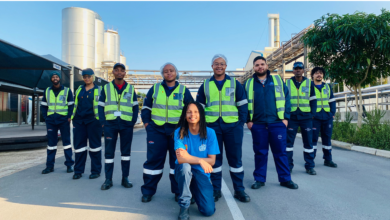

The South African National Energy Development Institute (SANEDI) has opened applications for 80 Energy Performance Certificate (EPC) Skills Development Programme internships for 2026/2027.
The opportunity is aimed at unemployed South African graduates aged 18 to 35 who have completed an NQF Level 7 qualification or higher in an eligible field.
Successful candidates will enter an 18-month fixed-term programme combining occupational training with practical workplace-based learning in the energy-efficiency and built-environment sectors.
The programme covers Eastern Cape, North West, KwaZulu-Natal, Northern Cape and Free State, with training delivered through participating TVET Colleges and workplace placements.
The expected programme start is mid-February 2027.
Applications close on 2 November 2026.
SANEDI EPC Internships 2026/2027 – Quick Overview
| Programme Detail | Information |
|---|---|
| Organisation | South African National Energy Development Institute (SANEDI) |
| Programme | EPC Skills Development Programme |
| Programme | Programme 3 – EEDSM |
| Number of Positions | 80 |
| Contract Duration | 18 months |
| Training | EPC Practitioner Occupational Skills Programme, NQF Level 5 |
| Workplace Learning | Approximately 17 months |
| Age | 18–35 years |
| Citizenship | South African |
| Employment Status | Unemployed |
| Minimum Qualification | NQF Level 7 or higher |
| Provinces | Eastern Cape, North West, KwaZulu-Natal, Northern Cape and Free State |
| Training Venues | Participating TVET Colleges |
| Expected Start | Mid-February 2027 |
| Stipend | Monthly stipend provided; amount not disclosed |
| Application Method | Online |
| Closing Date | 2 November 2026 |
The advertised programme specifically requires an existing NQF Level 7 qualification or higher. The fact that the occupational training itself is at NQF Level 5 does not mean NQF Level 5 or NQF Level 6 applicants automatically qualify.
What Is the SANEDI EPC Skills Development Programme?
The EPC Skills Development Programme is designed to develop a pool of trained unemployed graduates who can contribute to the implementation of South Africa’s building energy-performance requirements.
The programme focuses on Energy Performance Certificates, commonly known as EPCs.
Participants can gain practical exposure to activities such as:
- Registering buildings on the EPC platform.
- Collecting building energy-performance information.
- Analysing building energy data.
- Supporting the assessment of buildings.
- Supporting the issuance of Energy Performance Certificates.
- Identifying possible energy-efficiency improvements.
- Supporting energy audits where required.
- Participating in workplace-based learning.
- Working on real energy-efficiency and built-environment projects.
SANEDI describes the programme as part of the broader effort to support building owners and accounting officers while developing graduates with skills relevant to EPC implementation and energy efficiency.
What Is an Energy Performance Certificate?
An Energy Performance Certificate (EPC) provides information about the energy performance of a building.
The programme is connected to South Africa’s regulatory framework for the mandatory display and submission of EPCs for qualifying buildings.
For graduates, this creates an opportunity to develop knowledge in an area that combines:
- Energy efficiency
- Building performance
- Data analysis
- Engineering
- Property and facilities management
- Sustainability
- Regulatory compliance
The EPC environment therefore requires graduates who can work with technical information, collect and analyse data and support energy-performance assessments.
Who Can Apply for the 80 SANEDI Internships?
Applicants must meet the stated minimum requirements.
You must:
- Be a South African citizen.
- Be between 18 and 35 years old.
- Be an unemployed graduate.
- Have completed an NQF Level 7 qualification or higher.
- Hold a qualification in an eligible field.
- Be able to provide the required academic information and documents.
- Be able to work independently and as part of a team.
- Be willing to travel and accept placement according to programme requirements.
SANEDI also encourages applications from women, people with disabilities and candidates from rural and historically disadvantaged communities.
Eligible Fields of Study
The internship is aimed at graduates from several academic areas connected to the built environment, energy, science and economics.
Engineering
Graduates with eligible Engineering qualifications can apply.
Engineering graduates may have academic foundations relevant to:
- Energy systems
- Technical analysis
- Building systems
- Energy efficiency
- Engineering calculations
- Technical problem-solving
Energy Studies and Energy Management
Qualifications in Energy Studies or Energy Management are also relevant.
These fields can provide knowledge of energy consumption, energy management, sustainability and energy-efficiency practices.
Built Environment
The advertised eligible Built Environment disciplines include:
- Architecture
- Property Management / Real Estate
- Construction Management
- Property Studies
- Quantity Surveying
These qualifications can be particularly relevant to the assessment and management of buildings.
Natural Sciences
Graduates with relevant Natural Sciences qualifications may also qualify.
Applicants should check that their specific qualification falls within the categories accepted by SANEDI.
Economic Sciences
The programme also includes Economic Sciences among the advertised eligible fields.
Graduates should ensure that their exact NQF Level 7 or higher qualification corresponds with the programme’s requirements.
Can NQF Level 6 or N6 Applicants Apply?
Not on the basis of an NQF Level 6 or N6 qualification alone.
The advertised minimum requirement for these 80 internships is a completed NQF Level 7 qualification or higher.
This is an important distinction because the programme itself includes an NQF Level 5 EPC Practitioner Occupational Skills Programme.
Applicants should not confuse the level of the occupational training with the academic entry requirement for the internship.
How the 18-Month SANEDI Internship Works
The programme combines formal occupational training with workplace-based learning.
Phase 1: Occupational Skills Training
Participants will complete approximately six weeks of QCTO Occupational Skills Programme training for EPC Practitioners at NQF Level 5.
The training includes practical learning and continuous assessment.
This stage is intended to establish the technical foundation required for EPC-related workplace activities.
Phase 2: Workplace-Based Learning
After the occupational training, participants will complete approximately 17 months of workplace-based learning.
This component includes workplace modules and a Final Integrated Supervised Assessment (FISA).
The combination of occupational training and workplace exposure gives participants an opportunity to apply what they have learned in practical professional environments.
The overall advertised contract duration is 18 months.
Where Will the SANEDI Training Take Place?
Training will take place at participating TVET Colleges in selected provinces.
The programme covers:
- Eastern Cape
- North West
- KwaZulu-Natal
- Northern Cape
- Free State
The exact college, campus and workplace placement may depend on programme requirements.
SANEDI also reserves the right to place or transfer successful candidates according to operational requirements. Applicants should therefore be prepared for placement arrangements that may not necessarily be directly next to their homes.
What Will SANEDI Interns Do?
Successful participants can gain practical exposure to several EPC-related activities.
Their work may include:
Building Registration
Participants can support the registration of buildings on the EPC platform.
Energy-Performance Data
Interns can collect and analyse information required for building energy-performance assessments.
EPC Support
Participants can support processes associated with the issuance of Energy Performance Certificates.
Energy-Efficiency Improvements
Learners can help identify possible energy-efficiency improvements for buildings.
Energy Audits
The programme can provide exposure to identifying possible energy audits for significant energy users where these are required.
Workplace Projects
Participants will work on practical assignments and gain exposure to professional practices in energy efficiency and the built environment.
What Skills Can You Gain?
The programme is intended to provide more than classroom knowledge.
Successful participants can develop:
- Energy-efficiency skills
- Building-performance knowledge
- Data collection and analysis
- Technical reporting
- Workplace communication
- Research and analytical skills
- Problem-solving
- Professional teamwork
- Understanding of regulatory requirements
- Practical workplace experience
SANEDI also identifies mentorship, exposure to public-sector and industry practices and skills development aligned with energy and sustainability priorities as benefits of the programme.
Does the Programme Lead to Professional Registration?
The programme can provide a pathway towards EPC Practitioner development and potentially future professional registration.
However, applicants should not interpret this as automatic professional registration.
Completing the internship does not by itself guarantee registration as an EPC Professional. Any registration will remain subject to the applicable professional requirements.
Is There a SANEDI Internship Stipend?
Yes. The advertisement confirms that successful participants will receive a monthly stipend.
However, the published information does not disclose the stipend amount.
Applicants should therefore avoid relying on unofficial figures shared online.
The available vacancy information also does not guarantee accommodation, transport or relocation assistance. Candidates should consider these factors when deciding whether they can accept a placement.
Documents Required
Applicants should prepare their documents before starting the online application.
The advertised application documentation includes:
- Updated CV
- Certified copy of the relevant qualification
- Certified copy of South African ID
- Academic record
Make sure all documents are clear and readable.
Applicants should also ensure that their academic information matches the information entered on the application form.
How to Apply for the SANEDI Internships 2026/2027
Applications are submitted online through the SANEDI recruitment process.
Apply for the SANEDI EPC SDP Internships (X80)
Step 1: Check Your Eligibility
Confirm that you:
- Are a South African citizen.
- Are aged 18–35.
- Are unemployed.
- Have an NQF Level 7 or higher qualification.
- Studied in one of the eligible fields.
Step 2: Prepare Your Documents
Have your:
- CV
- Qualification certificate
- Certified ID
- Academic record
ready before starting the application.
Step 3: Complete the Online Application
Enter your personal, educational and contact information accurately.
Upload the required supporting documents according to the instructions provided.
Step 4: Check Your Application
Before submitting, check:
- Your qualification details.
- Your ID information.
- Your contact number.
- Your email address.
- Uploaded documents.
- Employment status.
Step 5: Submit Before the Deadline
Applications close on:
2 November 2026
The available advert does not specify a closing time, so applicants should submit early rather than waiting until the final day.
When Does the SANEDI Programme Start?
The expected starting period is:
Mid-February 2027
Successful applicants should therefore be prepared to participate in the programme from around this period if selected.
What Happens If You Do Not Receive Feedback?
SANEDI states that applicants who do not receive feedback within 30 days after the closing date should consider their applications unsuccessful.
Because the closing date is 2 November 2026, applicants should keep their contact details active after submitting their applications.
Career Opportunities After the Programme
The skills developed through EPC training may be useful when pursuing future opportunities in areas such as:
- Energy consulting
- Facilities management
- Energy-efficiency services
- Building-performance assessment
- Energy service companies (ESCOs)
- EPC-related organisations
- Sustainability
- Built-environment services
Completing the programme does not guarantee permanent employment, but it can provide practical experience that strengthens a graduate’s CV.
SANEDI EPC Internship Application Checklist
Before submitting your application, make sure you have:
- South African citizenship
- Age between 18 and 35
- Unemployed status
- Completed NQF Level 7 or higher qualification
- Eligible field of study
- Updated CV
- Certified qualification copy
- Certified South African ID copy
- Academic record
- Accurate contact details
- Ability to travel or accept placement requirements
- Online application completed
- Application submitted before 2 November 2026
Frequently Asked Questions
How many SANEDI internships are available?
There are 80 EPC Skills Development Programme internship positions.
What qualification is required?
Applicants need a completed NQF Level 7 qualification or higher in an eligible field.
Can Matric applicants apply?
No. This programme is aimed at unemployed graduates and requires an NQF Level 7 or higher qualification.
Can N6 or NQF Level 6 applicants apply?
No. An N6 or standalone NQF Level 6 qualification does not meet the advertised minimum academic requirement.
What is the age requirement?
Applicants must be between 18 and 35 years old.
Which provinces are covered?
The programme covers Eastern Cape, North West, KwaZulu-Natal, Northern Cape and Free State.
How long is the internship?
The fixed-term programme runs for 18 months.
Is there a stipend?
Yes. A monthly stipend is provided, but the amount has not been disclosed in the available advert.
When does the programme start?
The expected start is mid-February 2027.
Will I be placed close to home?
Not necessarily. SANEDI may place or transfer successful candidates according to operational requirements.
Does the programme guarantee a permanent job?
No. The programme provides training and workplace experience but does not guarantee permanent employment.
Does completing the programme automatically make me an EPC Professional?
No. Professional registration remains subject to the relevant registration requirements.
When do applications close?
Applications close on 2 November 2026.
Conclusion
The SANEDI EPC Skills Development Programme Internships 2026/2027 provide 80 unemployed South African graduates with an opportunity to develop specialised skills in energy efficiency and building performance.
The 18-month programme combines approximately six weeks of occupational training with around 17 months of workplace-based learning. Participants will be exposed to Energy Performance Certificate activities, building data, energy-efficiency projects and professional workplace practices.
The opportunity is particularly relevant to graduates with NQF Level 7 or higher qualifications in Engineering, Energy Studies, the Built Environment, Natural Sciences or Economic Sciences.
The programme covers Eastern Cape, North West, KwaZulu-Natal, Northern Cape and Free State, with an expected start in mid-February 2027.
If you meet the requirements, prepare your CV, certified qualification, certified ID and academic record and submit your application through the official SANEDI recruitment process before 2 November 2026.
Disclaimer
This article is an informational guide based on the advertised SANEDI EPC Skills Development Programme. SANEDI is responsible for recruitment, selection, placement and programme administration.
Applicants should verify the latest requirements, placement arrangements, stipend details and application instructions directly with SANEDI before submitting an application.
Never pay anyone who claims they can guarantee you a SANEDI internship.