Transnet Freight Rail Young Professional-in-Training Programme 2026: 24-Month Graduate Opportunity

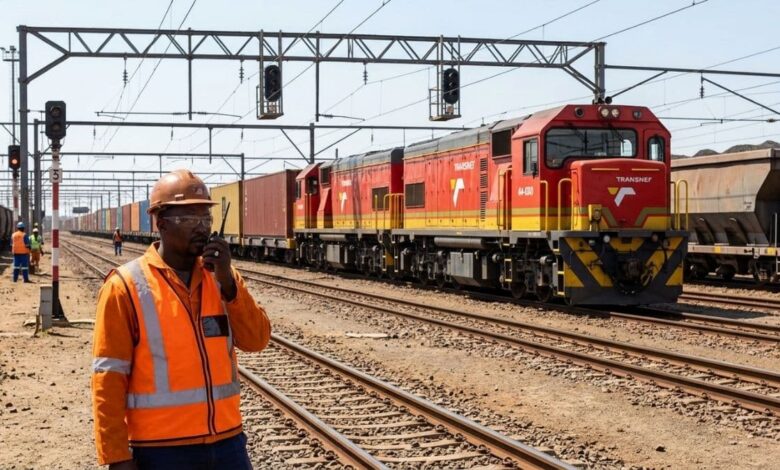
Launch Your Career with the Transnet Freight Rail Young Professional-in-Training Programme 2026
Breaking into the job market after graduation can be challenging, especially when employers expect experience from candidates who have never had the chance to gain it. To help bridge this gap, Transnet Freight Rail has opened applications for its Young Professional-in-Training Programme 2026.
This structured 24-month graduate development programme is designed to provide unemployed South African graduates with practical workplace exposure, mentorship, and professional development opportunities within one of the country’s largest freight and logistics organisations.
Successful candidates will gain valuable industry experience while working alongside experienced professionals in their chosen fields.
About the Transnet Freight Rail Young Professional-in-Training Programme
The Young Professional-in-Training Programme is a graduate development initiative that combines workplace learning with practical on-the-job experience.
Participants are placed within various departments and operational environments across Transnet Freight Rail, where they receive guidance from experienced mentors while developing industry-specific skills.
The programme runs for 24 months, and participants undergo performance assessments every six months to monitor their growth and development.
This approach allows graduates to gain meaningful experience while building confidence and workplace competence.
Programme Overview
- Organisation: Transnet Freight Rail
- Programme: Young Professional-in-Training Programme 2026
- Duration: 24 Months
- Target Group: Unemployed Graduates
- Age Requirement: 18 to 35 Years
- Employment Type: Fixed-Term Graduate Development Programme
- Assessment Period: Every Six Months
- Location: Various Transnet Freight Rail Operations
Who Should Apply?
This programme is ideal for graduates who have completed their qualifications but have not yet gained work experience in their field of study.
It is particularly suited to individuals interested in building careers within:
- Logistics
- Transport
- Rail Operations
- Human Resources
- Environmental Management
- Data Science
- Marketing
- Economics
- Research
- Psychology
- Social Work
- Law
The programme is designed to transform academic knowledge into practical workplace skills.
Available Young Professional-in-Training Opportunities
Transnet Freight Rail has advertised several opportunities under different reference numbers.
Reference: req5017
Required Qualification:
- LLB
- BCom Marketing
- Economics
- Market Research
- Related disciplines
Closing Date: 16 June 2026
Reference: req5018
Required Qualification:
- LLB
- BCom Marketing
- Economics
- Market Research
- Related disciplines
Closing Date: 15 June 2026
Reference: req5019
Required Qualification:
- Data Science
- Computer Science and Applied Mathematics
- Computer Systems Engineering
- Related disciplines
Closing Date: 12 June 2026
Reference: req5020
Required Qualification:
- BA Environmental Management Science
- BSc Environmental Management
- Environmental, Social and Governance (ESG)
- Related disciplines
Closing Date: 15 June 2026
Reference: req5021
Required Qualification:
- Honours Degree in Ergonomics
- Master’s Degree in Ergonomics
- Human Factors-CSO
- Related disciplines
Closing Date: 15 June 2026
Reference: req5022
Required Qualification:
- National Diploma in Human Resources Management
- Degree in Human Resources Management
- Industrial Psychology
- Psychology
- Social Work
- Related disciplines
Closing Date: 12 June 2026
Minimum Requirements
To be considered, applicants must meet the following requirements:
- Be a South African citizen
- Be unemployed
- Be between 18 and 35 years old
- Have completed a qualification in the required field
- Have no previous work experience in the relevant field
- Hold a qualification from a registered higher education institution
- Be willing to participate in the recruitment and assessment process
The programme targets recent graduates who are ready to begin their professional careers.
Skills That Can Strengthen Your Application
While academic qualifications are important, Transnet also values workplace skills and professional attributes.
Strong candidates often demonstrate:
- Computer literacy
- Administrative skills
- Professional communication
- Teamwork
- Problem-solving ability
- Research and analytical thinking
- Integrity
- Customer service orientation
- Stakeholder engagement skills
- Negotiation skills
- Self-motivation
- Adaptability
These competencies help graduates succeed in a professional working environment.
Why This Programme Is Worth Applying For
Many graduates struggle to secure their first opportunity because employers often prioritise candidates with experience.
The Young Professional-in-Training Programme helps overcome this challenge by providing:
Practical Workplace Exposure
Participants gain hands-on experience in real business environments.
Professional Mentorship
Graduates receive support and guidance from experienced professionals.
Career Development
The programme helps participants build workplace confidence and industry knowledge.
Structured Learning
Regular assessments every six months ensure continuous growth and development.
Improved Employability
The experience gained can significantly strengthen future job applications.
Documents Required
Before applying, candidates should prepare the following:
- Updated CV
- Certified copy of South African ID
- Certified qualification certificates
- Academic transcript or record
- Supporting certificates
- Proof of disability (if applicable)
Ensure all documents are clear, current, and easy to read.
Tips for a Strong Application
Many applicants make the mistake of submitting the same CV for every opportunity.
Instead:
Match Your CV to the Reference Number
If applying for a Data Science position, highlight:
- Technical projects
- Programming skills
- Data analysis experience
- Relevant coursework
If applying for Human Resources opportunities, emphasise:
- HR modules
- Psychology subjects
- People management skills
- Administrative experience
Review Your Documents Carefully
Check for:
- Spelling mistakes
- Missing information
- Incorrect dates
- Incomplete qualifications
A professional application creates a stronger first impression.
Application Closing Dates
Different opportunities have different deadlines:
| Reference | Closing Date |
|---|---|
| req5017 | 16 June 2026 |
| req5018 | 15 June 2026 |
| req5019 | 12 June 2026 |
| req5020 | 15 June 2026 |
| req5021 | 15 June 2026 |
| req5022 | 12 June 2026 |
Applications submitted after the relevant closing date may not be considered.
How to Apply
Applications must be submitted through the official Transnet recruitment platform using the correct reference number.
Use the correct reference below:
- req5017: official online application portal
- req5018: official online application portal
- req5019: official online application portal
- req5020: official online application portal
- req5021: official online application portal
- req5022: official online application portal
Before submitting your application:
- Confirm that your qualification matches the selected reference
- Upload all supporting documents
- Verify your email address and phone number
- Ensure your CV is updated
Applying early can help avoid technical issues close to the deadline.
Frequently Asked Questions (FAQs)
How long does the programme run?
The programme runs for 24 months and includes structured workplace exposure and mentorship.
Can final-year students apply?
The programme is intended for applicants who have already completed their qualifications.
Is previous work experience required?
No. The programme is specifically designed for graduates without relevant work experience.
How often are participants assessed?
Progress reviews and assessments are conducted every six months.
Can I apply for more than one reference number?
Yes, provided you meet the qualification requirements for each opportunity.
Conclusion
The Transnet Freight Rail Young Professional-in-Training Programme 2026 provides a valuable opportunity for unemployed graduates to gain practical workplace experience within a leading logistics and transport organisation.
With opportunities available across multiple disciplines, including law, marketing, environmental management, human resources, psychology, social work, data science, and engineering-related fields, the programme offers a strong foundation for long-term career growth.
Graduates who meet the requirements should prepare their applications carefully and apply before the relevant closing date to maximise their chances of selection.
Sources