Nkangala TVET College Plant Production Learnership 2026: Apply for NQF Level 4 Agriculture Training

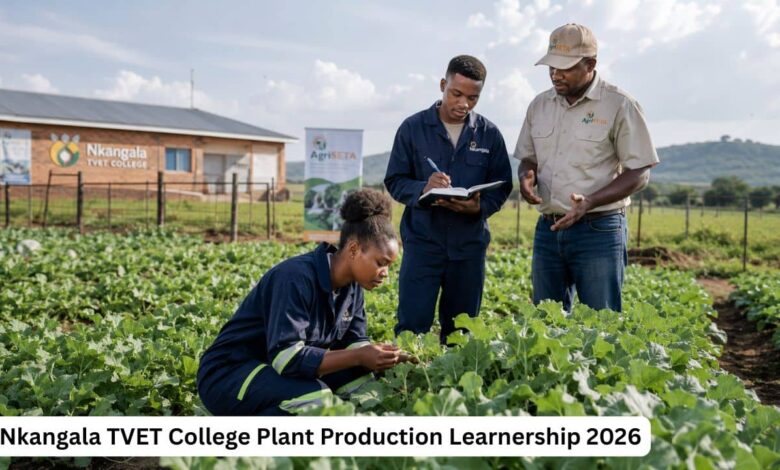
Nkangala TVET College is giving unemployed young people a chance to enter the agricultural sector through its Plant Production NQF Level 4 Learnership Programme 2026. This opportunity is designed for applicants who are interested in farming, crop production and practical agricultural training.
With agriculture remaining one of the most important industries in South Africa, this learnership can help learners gain both theoretical knowledge and hands-on experience that can open doors to future employment or further studies.
If you are passionate about working with plants, soil and food production systems, this programme may be a strong starting point.
What Is the Nkangala TVET College Plant Production Learnership?
The Plant Production Learnership is a structured agricultural training programme offered by Nkangala TVET College in partnership with AgriSETA.
It combines classroom-based learning with practical farm-based experience. This allows learners to understand how plant production works in real agricultural environments.
The programme is registered at NQF Level 4, which means it provides a nationally recognised qualification upon completion.
Learnership Overview
Here are the key details applicants should know:
- Institution: Nkangala TVET College
- Programme: Plant Production Learnership
- NQF Level: 4
- Location: Mamehlake, South Africa
- Target Group: Unemployed youth
- Age Requirement: 18 to 35 years
- Closing Date: 19 June 2026
This programme is aimed at youth who are ready to commit to both learning and practical agricultural training.
Who Should Apply?
This learnership is ideal for young people who are interested in agriculture and want to build a career in plant production.
It may suit applicants who:
- Are passionate about farming and agriculture
- Want hands-on practical training
- Are currently unemployed
- Are willing to learn both theory and practice
- Can work outdoors and in team environments
- Are disciplined and committed to training
This is not just a classroom-based programme. It requires physical involvement and active participation in agricultural work.
Minimum Requirements
Applicants must meet the following criteria:
- Must be unemployed
- Must be between 18 and 35 years old
- Must have a Grade 10 certificate
- Must be willing to participate in both theoretical and practical training
The minimum requirement of Grade 10 makes this opportunity accessible to many young people who may not have completed higher levels of education.
Required Application Documents
Applicants must prepare and submit the following documents:
- Comprehensive CV
- Certified copy of ID
- Certified copy of Grade 10 certificate
- Proof of residence from a Councillor
All documents must be certified and clearly readable. Incomplete applications will not be considered.
Why Plant Production Training Matters
Agriculture plays a major role in food security, job creation and economic development in South Africa.
Through this learnership, learners can gain practical skills in:
- Crop cultivation
- Soil preparation
- Plant care and maintenance
- Basic agricultural techniques
- Workplace discipline in farming environments
This type of training can lead to future opportunities in commercial farming, agribusiness or further agricultural studies.
What Learners Can Expect
Successful candidates will receive both theoretical and practical training.
This means learners will:
- Attend structured learning sessions
- Participate in hands-on agricultural activities
- Gain exposure to real plant production environments
- Learn how farming operations are managed
The combination of theory and practice helps learners build real-world skills, not just classroom knowledge.
How to Apply
Applications must be submitted via email:
Applicants should ensure that all required documents are attached before sending their application.
It is also important to use a clear email subject line and ensure that all files are properly named and readable.
Important Notes for Applicants
Before applying, keep the following in mind:
- Only complete applications will be considered
- Late applications will not be accepted
- Preference may be given to local community applicants
- Only shortlisted candidates will be contacted
Applicants should not wait until the last minute to apply, as missing documents or delays may affect submission.
Enquiries
For more information, applicants can contact:
Shalane MG
Tel: 082 060 8513
(Calls should be made during working hours only)
Why This Opportunity Is Important
Many young people in rural and semi-urban areas struggle to access structured agricultural training.
This learnership helps bridge that gap by offering:
- A recognised NQF Level 4 qualification
- Practical farming experience
- Entry into the agricultural sector
- Skills development for future employment
For motivated applicants, this programme can serve as a foundation for long-term career growth in agriculture.
Final Thoughts
The Nkangala TVET College Plant Production Learnership 2026 is a valuable opportunity for unemployed youth who want to build a future in agriculture.
With both theoretical learning and practical farm experience, learners gain real skills that can support long-term employment or further studies.
Applicants who meet the requirements should prepare their documents carefully and submit their applications before 19 June 2026 to avoid missing out.